

WIMIN Leadership

Olga Eremina, PhD, Chair
University of Southern California, USA
Dr. Olga Eremina is an NIBIB K99/R00 Postdoctoral Fellow in the Department of Biomedical Engineering and the Michelson Center for Convergent Biosciences at the University of Southern California (USC). She earned her Ph.D. in Chemistry from Lomonosov Moscow State University. In 2020, she joined USC as an Agilent Postdoctoral Fellow under the mentorship of Prof. Cristina Zavaleta. In 2024, Dr. Eremina was named a CAS Future Leader by the American Chemical Society. Dr. Eremina’s research focuses on advancing molecular imaging strategies to enable precise tumor margin identification and multiplexed tissue interrogation. By applying surface-enhanced Raman scattering nanoparticle-based contrast agents, her work provides unmatched molecular specificity and quantitative multiplexing capabilities at subcellular resolution – paving the way for spatial biology insights, targeted therapeutic strategies, and the discovery of novel prognostic and predictive biomarkers. She is deeply grateful to her mentors, peers, and mentees and is passionate about fostering supportive research environments. As a newly appointed Chair of the WIMIN Interest Group, she is committed to promoting mentorship, collaboration, scientific excellence, and visibility for all scientists in the field.

Ivis F. Chaple, PhD, Co-Chair
University of Tennessee, Knoxville, USA
Ivis F. Chaple Gore is an Assistant Professor in the Nuclear Engineering department at the University of Tennessee, Knoxville, and her research focuses on the development and characterization of novel radiopharmaceuticals for diagnostic imaging of various disease states, such as cancer. In 2021, she received her Ph.D. in Biochemistry through the Graduate Biomedical Sciences Program at the University of Alabama at Birmingham, under the mentorship of Dr. Suzanne E. Lapi. Ivis then completed a postdoctoral research associate position at Los Alamos National Laboratory, under the mentorship of Dr. Michael Fassbender, which she completed in 2022. At the University of Tennessee, Knoxville, Ivis is working to develop a radiochemistry program, with a focus on nuclear medicine applications.

Elizabeth Kras, PhD, Secretary
Postdoc Research Scholar Washington University in St. Louis
Elizabeth Kras received her PhD in Medicinal Chemistry from University at Buffalo in 2023. Her PhD research focused on the development of novel iron-based macrocyclic compounds for use as MRI contrast agents. Currently, she is a Postdoctoral Scholar under the mentorship of Dr. Aisling Chaney in the Mallinckrodt Institute of Radiology at Washington University in St. Louis. Her current research focuses on the development and assessment of novel neuro-PET radiotracers to investigate the inflammatory component of neurodegenerative diseases. In addition, she is involved in projects evaluating existing inflammatory radiotracers in different models of neuroinflammation. Mentorship and guidance from amazing female professors, scientists, and teachers has largely helped Elizabeth find her way throughout her scientific journey and she is extremely passionate about providing that for the next generation of female scientists.

Una Goncin, PhD, Immediate Past-Chair
University of Glasgow
Dr. Una Goncin is currently a Postdoctoral Fellow at Merck & Co. in South San Francisco, where where focuses on imaging biomarker develop in animal models of human diseases using multimodality imaging techniques. She received her PhD in Health Sciences from the University of Saskatchewan (Canada) in March 2025. Her research involved the development of contrast agents for preclinical ultrasound and PET imaging for disease identification and monitoring of intestinal inflammation. She previously received her B.Sc Honours in Biology in 2017 focusing on research wildlife ecology and population genetics of native snake, fish and turtle species in Saskatchewan. Throughout her BSc and PhD, she has accumulated 10+ years of broad research experience and 4+ years of clinical research management. With a passion for collaboration, Una has contributed to 16 publications in peer-reviewed journals, spanning wildlife ecology and genetics, virology, medical education, and molecular imaging. In addition to her academic pursuits, Una actively engages in science communication participating and organizing outreach initiatives, offering educational sessions on native species, and organizing annual Science Rendezvous events, Science Outreach program in community school classrooms and the Museum of Natural Sciences.
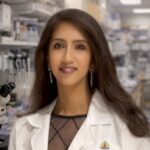
Safiya Aafreen, (PhD Candidate), MSE
Johns Hopkins University School of Medicine Graduate Student
Safiya Aafreen is a PhD candidate in Biomedical Engineering at Johns Hopkins University working in the Liu Lab, where her research focuses on engineering and multimodal imaging of extracellular vesicles in neurotheranostic and regenerative medicine applications. Her work has resulted in multiple peer reviewed publications and invited presentations at leading international conferences including ISMRM, ISEV, WMIC, and AAEV. She has received several competitive distinctions, including the MINT Young Investigator Award (WMIC 2025), Best Oral Presentation at the Maryland Stem Cell Symposium (2024), the Top Abstract Award at the Alavi–Bradley Imaging Conference (2025), multiple travel Awards, and Runner Up for the NHLBI CATALYZE Early Career Scientist Award (2023). Safiya completed her undergraduate training in Biotechnology at BITS Pilani, Dubai Campus, graduating with a merit scholarship awarded across all four years, before pursuing graduate training at Johns Hopkins. In parallel with her research, she served as President of a university-wide women’s mentoring organization and was actively engaged in mentorship, equity driven programming, science communication, and outreach through leadership roles within the Biomedical Engineering PhD Student Council, aimed at strengthening inclusive and globally engaged scientific communities.

Natalia Herrero Alvarez, PhD
Memorial Sloan Kettering Cancer Research, USA
Dr. Natalia Herrero Alvarez is a Research Associate in the Department of Radiology at Memorial Sloan Kettering Cancer Research. She conducted her undergraduate education in Chemistry and Biochemistry at Universidad Complutense de Madrid, Spain, and received her masters in Medicinal Chemistry at Utrecht University, the Netherlands. Natalia undertook an industrial placement in the Drug Discovery team at Hoffmann-La Roche in Basel, Switzerland before she completed her PhD in Organic Chemistry & Chemical Biology at the University of Glasgow, UK.
In her current position she focuses on developing molecular entities for targeted nuclear imaging and therapy of cancer. In 2023 Natalia was recognized as the “Ones to Watch” by the Society of Nuclear Medicine and Molecular Imaging. She has regularly been involved in outreach activities to make science accessible to younger generations, particularly those from underrepresented groups . Natalia is committed to help advance the opportunities of women in the STEM field and close the gender gap. She is excited to be part of WMIN and hopes to contribute and strengthen this network.

Tanushree (Nina) Ganguly, PhD
University of California, Davis; Project Scientist
Dr. Ganguly is a Project Scientist at the University of California Davis, where she works on the development and clinical translation of integrin αvβ6-targeted theranostic agents. A chemist by training, she obtained her Bachelor (B.Sc) and Masters (M.Sc) in Chemistry from University of Delhi, India, followed by her doctoral degree in Organic Chemistry from Washington State University in 2013 (PI: Clint Berkman). Her doctoral work focused on the synthesis and evaluation of PSMA-targeted peptidomimetics for SPECT and PET imaging of Prostate cancer. She then went onto pursue a postdoctoral position at University of California San Francisco 2013–2015 (PIs: David Wilson and Henry VanBrocklin), where she worked on the development and evaluation of probes for sensing redox/oxidative stress and other metabolic processes that are predominant in various cancers, using PET and hyperpolarized MRI as imaging tools. She then joined the lab of Dr. Julie Sutcliffe at UC Davis in 2016 as a postdoctoral researcher, advancing to Project Scientist in 2019. Her research efforts have spanned across development of integrin αvβ6-targeted imaging (PET, Fluorescence and Near IR) and treatment (radiotheranostics and photodynamic therapy) agents; and she works actively as a part of the GMP clinical translation team.
She strongly believes that the field of molecular imaging and therapy gives us an opportunity to make a positive change in the healthcare landscape and is grateful for the support she has received from her mentors, colleagues and organizations like WIMIN (WIMIN scholar award recipient 2022 and 2023) thus far. As part of the WIMIN leadership committee and a new mom learning work-life balance, she hopes to foster a safe and inclusive environment for fellow women in science.

Jessica Hsu, PhD
Purdue University Assistant Professor
Dr. Jessica Hsu is an Assistant Professor in the School of Health Sciences at Purdue University. She earned her PhD in Bioengineering from the University of Pennsylvania and completed her postdoctoral training at the University of Wisconsin-Madison. Her research program integrates various molecular imaging techniques with novel nanomedicine platforms, leveraging their complementary strengths to improve disease outcomes. Specifically, her work focuses on the design of contrast agents and multimodal nanotherapeutics for a range of conditions, including cancer, kidney injury, and inflammation. Her research has been recognized with numerous honors, including the NSF Graduate Research Fellowship, the Brody Family Postdoctoral Fellowship, and the WIMIN Scholar Award. Through active involvement in several organization (e.g., UW Graduate Women in Science), she has become a passionate advocate for women in STEM. She remains committed to supporting the next generation of women scientists through mentorship and outreach initiatives.

Olivia J. Kelada, PhD
Bicycle Therapeutics Sr. Director, Radiopharm Strategy
Dr. Olivia Kelada is currently the Senior Director of New Product Strategy for radiopharmaceuticals at Bicycle Therapeutics. Prior to joining Bicycle, she worked in various roles at Revvity Inc. She is both an industry leader with a proven track record in corporate strategy and business development, as well as an academic scientist with extensive PET and CT imaging experience. She completed her postdoctoral training at both Harvard University/Dana Farber Cancer Institute, where she investigated nanoparticle therapeutics and external beam radiation effects on tumor hypoxia, and the Molecular Imaging Program at the National Cancer Institute, National Institutes of Health, where she worked on theranostics for hepatocellular carcinoma. She holds a Ph.D. in Medical Physics from the DKFZ/Ruprecht Karl University of Heidelberg and Yale University School of Medicine, where she completed a postgraduate fellowship focused on PET imaging for tumor hypoxia. Additionally, she holds an M.Sc. in Radiation Biology from the University of Oxford, U.K., and a B.Sc. in Radiation Sciences from Trinity College Dublin, Ireland.

Kelsey Kubelick, PhD
University of Virginia Assistant Professor of Biomedical Engineering
Dr. Kelsey P. Kubelick is an Assistant Professor in the Department of Biomedical Engineering (BME) at the University of Virginia, where she leads an interdisciplinary, applications-driven, biomedical imaging research program. Her lab team leverages light, sound, nanotechnology, and cell engineering to develop versatile ultrasound (US) and photoacoustic (PA) imaging technologies. Her current research focuses on “theranostic” (therapeutic + diagnostic) imaging strategies, especially in the context of tissue regeneration and cancer immunotherapies. She earned her B.A. in Biological Sciences from the University of Chicago (2012) and her M.Eng. degree in Biomedical Engineering from Duke (2014). She completed her Ph.D. (2020) and postdoctoral training at the Wallace H. Coulter Department of Biomedical Engineering at the Georgia Institute of Technology and Emory University School of Medicine. During her postdoctoral training, she was recognized as a 2021 Rising Star in Engineering in Health – an honor from Columbia University and Johns Hopkins BME. Outside of the lab, Dr. Kubelick is a competitive triathlete and enjoys fly fishing. Through her role in WIMIN, Dr. Kubelick is dedicated to building a unique community of supportive leaders in molecular imaging.

Doreen Lau, PhD
Brunel University London College of Health, UK
Dr. Doreen Lau is a Lecturer (Assistant Professor) at Brunel University London College of Health, Medicine and Life Sciences, and visiting researcher at University of Cambridge Department of Radiology. She holds a PhD in Radiology from University of Cambridge and as a Cancer Research UK and Cambridge Trust scholar, focusing on the clinical translation of molecular imaging techniques and imaging biomarkers for cancer immunotherapy. She received postgraduate training from the Imperial College London Cancer Imaging Centre and Institute of Chemical Biology and was a former scientist at A*STAR Singapore and University of Oxford.
Doreen has won several international prizes for her work on immuno-oncology imaging and experimental medicine. These include the 1st Place ISMRM William G. Negendank Young Investigator Award for oncological MRI, WMIS Women in Molecular Imaging Network Scholar Award and Top 3 ESMI PhD Award. She is the current Chair of British yESMI group of the European Society for Molecular Imaging for early career professionals in molecular imaging.
As a young woman scientist who moved from Singapore to the UK, Doreen is an advocate for women, minority and early career scientists. She is excited to join the WIMIN leadership committee and contribute to efforts in empowering women scientists and encouraging equality, diversity and inclusivity in the imaging community. Doreen has a background in fine arts, performing arts and entrepreneurship. She enjoys drawing, music and hiking during her free time.
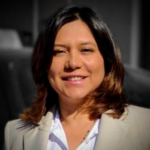
Johana Carolina M. Vega Leonel, PhD
Stanford University School of Medicine, USA
Dr. Johana Carolina M. Vega Leonel, holding a PhD in NeuroEngineering and Tissue Engineering from the University of Illinois at Urbana-Champaign, specializes in neural network formation and revascularization. Currently, she enriches Stanford University as a Teaching College Fellow, delivering courses such as “Living with Viruses,” “The Cancer Problem,” and her newly accredited Neuroengineering course, “Opening the hood of our brains.” Beyond academia, she co-founded Astute Crew LLC, offering consultancy to startups in Medical Devices and Neuroscience/Neuroengineering, alongside providing technical due diligence for Venture Capital firms. Her distinguished career includes roles as an NSF and NSF-IGERT fellow, leading independent interdisciplinary projects, and a Postdoctoral Fellowship at Stanford’s Neurosurgery Department, working closely with Lawrence Livermore National Laboratories on neural network chips. Additionally, as a mentorship chair on the executive team of the MIPS Trainees Council at Stanford, she plays a crucial role in fostering the next generation of leaders in her field. Dr. Vega’s collaborative efforts extend across Neurosurgery and Radiology departments, underpinning her multifaceted expertise. Her foundational education in Biotechnology was earned at Oglethorpe University and Georgia Institute of Technology.
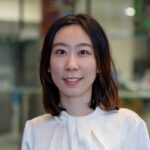
Ning Lu, PhD
Stanford University, USA
Ning Lu is currently a postdoctoral scholar at Stanford University, working with Dr. Katherine Ferrara on volumetric ultrasound imaging. Previously, she received a Ph.D. in Biomedical Engineering and Scientific Computing from the University of Michigan, Ann Arbor, USA, in 2023, focusing on MR-guided histotripsy for noninvasive brain treatment. She gained a B.S.E. degree (highest honors) in Biomedical Engineering from Southeast University, Nanjing, China, in 2018. Her research interests include ultrasound therapy, ultrasound imaging, medical instrumentation, and AI in healthcare.
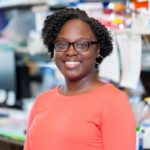
Kyeara Mack-Henry, PhD
Perceptive Discovery Scientist I
Dr. Kyeara Mack-Henry is a Study Director at Perceptive, where she oversees preclinical discovery research studies focusing on molecular imaging and radiotherapy in oncology. Kyeara’s research expertise centers on the development, optimization, and translational advancement of radiotheranostic agents for cancer detection and treatment. Her interests include improving the precision and efficacy of radiopharmaceuticals through innovative bioconjugation strategies, pretargeting approaches, and rigorous quality control to ensure chemical and radiochemical stability.
Kyeara completed her Ph.D. in Pharmacology at Weill Cornell Medicine in NY, NY. Under the tutelage of Dr. Jason Lewis at Memorial Sloan Kettering Cancer Center, she characterized an antibody-based radiotheranostic agent for ovarian cancer which was selected for an Editors’ Choice Award from the Journal of Nuclear Medicine. After her Ph.D., Kyeara pursued a Postdoctoral Research Associate position at Brookhaven National Laboratory where she studied Ac-225 separations chemistry and characterized Ac-225-macropa labeled antibodies for pancreatic cancer under the mentorship of Dr. Vanessa Sanders and Dr. Cathy Cutler. Kyeara’s overall goal is to continue in a career that is driven by her desire to bridge chemistry, pharmacology, and molecular imaging to create next‑generation radiopharmaceuticals that improve cancer diagnosis and treatment.
Kyeara has been mentored by previous WIMIN members, and it has had a profound impact on her personal and professional development. She is committed to giving back to the community that has supported her. Her aspiration is to serve on the WIMIN leadership committee, where she can contribute to strategic initiatives, foster inclusive mentorship, and help cultivate a nurturing environment for emerging women scientists.

Bernadette Marquez-Nostra, PhD
University of Alabama, USA
Dr. Marquez-Nostra is an Associate Professor in the Department of Radiology at the University of Alabama at Birmingham (2023 – present). Her research focuses on radiopharmaceutical development for imaging cancer and its microenvironment. She also collaborates with industry and clinicians to translate imaging agents to clinical studies. Dr. Marquez-Nostra began her scientific career with a B.S. in Biochemistry from California State University, Fullerton (2005) and earned a PhD in Chemistry from the University of California, Davis (2011) under the mentorship of Prof. Claude Meares. She then delved into radiochemistry and cancer imaging during her postdoctoral training at Washington University in St. Louis (2012-2017) under the mentorship of Prof. Suzanne Lapi and Dr. Farrokh Dehdashti, where she contributed to the translation of [89Zr]Zr-DFO-trastuzumab for PET imaging of patients with metastatic breast cancer. Securing an ERF-SNMMI postdoctoral grant and a K99/R00 Pathway to Independence award granted the opportunity to obtain an Assistant Professor position at the Yale PET Center, where she established a Cancer Imaging and Therapeutics research program and was awarded several grants for her research projects. Finally, she is committed to mentoring students, postdocs, staff, and junior faculty.

Lacey McNally, PhD
University of Oklahoma Health Science Center, USA
Dr. Lacey McNally received her Ph.D. in Veterinary Medicine at Louisiana State University and completed her post-doctoral fellowship at the University of Alabama at Birmingham. While at UAB, she was awarded a K99 grant from NIH. Dr. McNally was an Assistant Professor at the University of Louisville and an Associate Professor at Wake Forest Comprehensive Cancer Center where she also served as Co-Leader of the Signaling and Biotechnology Program (CCSG). Currently, she is a Professor, Stephenson Chair in Cancer Imaging, and Co-Leader of Cancer Therapeutics at the Stephenson Cancer Center, University of Oklahoma. Dr. McNally is a Standing member of the Imaging Probes and Contrast Agents study section. She teaches a grant writing course for graduate students and post doctoral fellows. Dr. McNally has been continuously funded by NIH for the last 13 years and her work focuses on development of contrast agents, nano-drug delivery systems, and translation of optoacoustic imaging into the clinic. She has an active laboratory and mentors undergraduate and graduate students, post-doctoral researchers, clinical residents and fellows as well as visiting science scholars. Dr. McNally is the PI of two investigator-initiated clinical trials and largely focuses her research in recalcitrant cancers.

Zinia Mohanta, PhD
Johns Hopkins University School of Medicine, USA
Dr. Zinia Mohanta is a Postdoctoral Fellow at the Kennedy Krieger Institute, Johns Hopkins University, School of Medicine in Baltimore MD. Her research interests include nanomaterials based magnetic resonance imaging (MRI) contrast enhancement, small molecule based chemical exchange saturation transfer (CEST) MRI contrast agents and CEST MR imaging using MRI reporter genes. During her PhD, she designed a new methodology for engineering graphene oxide (GO) surface chemistry and discovered the effect of oxidation degree of GO on its nuclear relaxivity using nuclear magnetic resonance (NMR) spectroscopy and MRI.
Her current work focuses on methodical assessment of the pharmacokinetics, biodistribution, and organ toxicity of Imidazole-4,5-dicarboxamide-diglutamate (I45DC-diGlu) for evaluating its synthetic adaptability in adjusting proton exchange properties and biodistribution for specific biomedical applications compared to the contemporary iodinated agents. Concurrently, her endeavors extend to the development of an innovative approach for labeling recombinant adeno-associated viruses (rAAV) with an MRI reporter gene. The initiative involves CEST imaging to assess CEST reporter gene expression, utilizing a mouse model of methylmalonic acidemia (MMA).
Beyond her academic pursuits, Dr. Mohanta currently serves as the co-president of the Johns Hopkins Postdoctoral Association (JHPDA) and holds a position on the board of Directors at the JHUSOM Institute of Excellence in Education. She is the recipient of WIMIN Scholar award at the World Molecular Imaging Conference 2023 and the Young Investigator award at the 2nd Alavi Bradley on Molecular Imaging and Theranostics 2023. She has also received the Career Impact Award 2023 from the Johns Hopkins University PHutures Office for her commitment to professional advocacy and mentorship excellence. She aims to contribute to WIMIN’s mission and leverage her experiences to foster a more inclusive and supportive environment for women in molecular imaging.
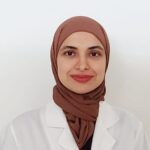
Shehzahdi Shebbrin Moonshi, PhD
Griffith University, Australia
Dr Shehzahdi Shebbrin Moonshi is an Early Career Research Fellow at the Queensland Micro- and Nanotechnology Centre, in Associate Professor Hang Ta group, Griffith University. Her projects are focused on the development of targeted theranostic nanomaterials for cardiovascular and cancerous diseases. She was awarded the GU Postdoctoral Fellowship scheme (2023-2024), 2022 Advancing Women’s Research Success Grant and New Researcher Grant in Griffith University for her research project and has produced 27 publications. She completed her PhD at University of Queensland, Australia. Her research interest is in the design and application of molecular imaging agents and drug delivery systems based on metal oxide and biocompatible polymers accompanied with the utilisation of multimodal imaging system such as MRI and Photoacoustic imaging.

Hieu Nguyen, PhD
T32 Postdoctoral Fellow, Stanford University
Hieu is currently a T32 postdoctoral fellow in the Molecular Imaging Program at Stanford University. She completed her Ph.D. training at UT Austin, focusing on optical-based interventions for early-stage cancer detection and therapy. Her work included developing a fiber-based spectroscopy device for tumor resection guidance and applying nano-second high-energy laser pulses to induce immunogenic cell death in breast cancer cells. At Stanford University, she is developing novel approaches for single-cell tracking in vivo using Positron Emission Tomography. Her long-term commitment is to advance and adapt these technologies for biomedical applications, such as studying cancer metastasis, tracking therapeutic immune cells, and investigating cancer hemodynamics. Through her role in WIMIN, Hieu is committed to creating an inclusive and supportive environment for women to thrive in the field of molecular imaging.

Samantha Reyes
Graduate Student, Stanford University
Samantha Reyes is a Biomedical Physics graduate student at Stanford University and a recipient of the prestigious Bio-X Stanford Interdisciplinary Graduate Fellowship. Samantha began her PhD nearly 10 years after earning her bachelor’s degrees in chemistry and biology at UC Irvine and has over a decade of training in neuroimaging. She has extensive experience in developing, evaluating, and translating new neuroPET radiotracers, conducting receptor occupancy studies, pharmacokinetic modeling, and performing molecular biology validations (including IHC, WB, qPCR, and FACS). She also has proficiency in MRI spectroscopy imaging in neonatal mice. Her thesis research is focused on developing new PET imaging approaches for detecting and tracking immune cells in the context of CNS diseases, such as multiple sclerosis and stroke. At Stanford, Samantha is an active member of the MIPS Trainee Council and contributes to outreach initiatives like Stanford BioPeers, Stanford Penpals, Stanford Biobuds, Science is Elementary and is a judge for the California Science and Engineering Fair.
Samantha took a nonlinear path to her PhD, beginning her program as a mature student with two young children at home who she loves spending time with while also balancing her love for research. She is honored to serve on the WIMIN committee and is passionate about supporting other women, especially those in science who are raising families or planning to start one.

Aline Thomas
Assistant Professor, Johns Hopkins School of Medicine
Dr. Thomas received her bachelor’s degree from MIT and her Ph.D. from Northwestern University. She is currently an Assistant Professor in the Department of Radiology at the Johns Hopkins School of Medicine. Her research program develops molecular imaging agents and biomarkers that can profile immune cell dynamics, inflammation, metabolism and their interaction with a focus on those visualized using magnetic resonance or optical methods. Outside of the laboratory, she also serves on the youth editorial board of Health and Metabolism. She is passionate about increasing engagement with and championing the needs of underrepresented and young scientists in the molecular and imaging fields and looks forward to strategizing and coordinating these pursuits with the members and leaders of WIMIN.
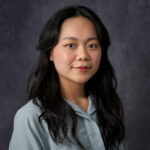
Ha Tran
MD Anderson Cancer Center Graduate Student
Ha Tran is a PhD candidate in Cancer Biology at the MD Anderson UTHealth Graduate School of Biomedical Sciences. She previously received her B.S. in Biochemistry from Denison University. Her current research focuses on developing novel radiotheranostic agents for precision oncology through integrative approaches spanning computational biology, radiochemistry, and translational biology, with a focus on targeting treatment-resistant and metastatic cancers. Ha is a recipient of the WIMIN Scholar Award and is deeply committed to mentorship, advocacy, and career development for research trainees. As a member of the WIMIN Leadership Committee, she aims to inspire, support, and create inclusive opportunities for trainees and underrepresented groups within the molecular imaging community.

Madhavi Tripathi
Johns Hopkins University
Madhavi is a highly motivated researcher with a strong background in biomedical imaging and interdisciplinary research. Currently based at Johns Hopkins University, her work focuses on enhancing imaging technologies to enable early and accurate disease detection. She holds a PhD in Materials Engineering from the Indian Institute of Science (IISc), Bengaluru, and an integrated master’s degree in Biomedical Engineering from the Indian Institute of Information Technology (IIIT), Allahabad.
With expertise in combining materials science, imaging technologies, and biomedical applications, Madhavi’s research explores innovative solutions to critical healthcare challenges. Her academic and professional journey reflects her proficiency in experimental techniques, imaging modalities, and data analysis, alongside her commitment to innovation and collaboration. Driven by a passion for advancing science, Madhavi aims to contribute to the development of diagnostic and therapeutic tools that improve patient care and outcomes. She is dedicated to leveraging her multidisciplinary expertise to make meaningful impacts in the fields of biomedical imaging and cancer research.

Izabela Tworowska, PhD
RadioMedix Inc, USA
Izabela Tworowska serves as the Chief Scientific Officer and co-founder of RadioMedix. She obtained her MSc in Clinical Pharmacy from Medical University in Poland and her Ph.D. in organic chemistry from the Polish Academy of Science in 2001. She completed the pre-doctoral training at Goethe University (Frankfurt am Main, Germany) and post-doctoral training in biochemistry and structural biology at Rice University (Houston, TX). Her research focuses on the radiochemistry, pre-clinical validation, and clinical studies of radiotheranostic drugs that target solid tumors (NETs, glioblastoma, PDAC, hepatocellular carcinoma) with special interest in targeted alpha-emitter therapy. She is leading the R&D and translational program at RadioMedix.
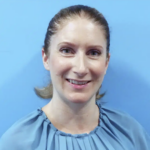
Lisa Wells, PhD
Perceptive Discovery
Huadan Xue
Alumni
Katherine Ferrara, PhD – Inaugural Recipient of the WIMIN Outstanding Leadership in Molecular Imaging Award; Founding Chair 2012, Founding Member
Anna Wu, PhD – Past Chair 2013, Founding Member
Anna Moore, PhD –Past Chair 2014-2015, Founding Member
Anne Menkens, PhD – Secretary 2011-2018, Founding Member
Julie Sutcliffe, PhD – Past Chair 2016-2017, WMIS President 2020, WMIS Co-President 2021
Naomi Matsuura, PhD, P. Eng – Past Chair 2018
Melissa Moore, PhD – Past Chair 2019
Monica Shokeen, MBA, PhD – Past Chair 2020
Jennifer Murphy, PhD – Past Chair 2021
Michelle James, PhD – Co Secretary 2021
Gunilla Jacobson, PhD – Co Secretary 2021
Aisling Chaney, PhD – Chair 2022
Kelly Henry, PhD – Chair 2023
Mirkka Sarparanta, PhD – Secretary 2023
Nerissa Viola, PhD – Chair 2024
Quan Zhou, PhD – Co Chair 2024
Carolyn Bayer, PhD
Heike Daldrup-Link, MD, PhD
Karen Alt, PhD
Susanne Kossatz, PhD
Rong Zhou, PhD
Hang Ta, PhD
Xiaowei Wang, PhD
Ashley Knight, MSc
Kayla Bowers, BS
Fay Nicolson, PhD
Paula Foster, PhD
Patricia Pereira, PhD
Nimmi Ramanujam, PhD
Dima Hammoud, PhD
Nan Li, PhD
Savita Dhanvantari, PhD
Carmen Azevedo, BS
Sarah Burris, PhD
Lilja Solnes, MD
Anna Christensen, PhD
Filipa Mota, PhD
Srivalleesha Mallidi, PhD
Laura Lechermann, PhD
Caitlin Tressler, PhD
Gabriela Kramer-Marek, PhD
Apurva Pandey, PhD
Bao Ying Chen, PhD
Bian Jang
Biyue Zhu, PhD
Emma Brown, PhD
Maryam Hajfathalian, PhD
Myriam Chaumeil, PhD
Nivin N. Nyström, PhD
Yingying Ning, PhD
Behnaz Ghaemi, PhD